The Ultimate Guide to Fashion: Trends, Styles, and Sustainability
Understanding Fashion: Its History and Cultural Significance
Fashion has always been a dynamic and integral aspect of human society, acting as a reflection of cultural, social, and economic changes throughout history. The evolution of fashion can be traced back to ancient civilizations, where clothing choices were often dictated by climate, available resources, and social status. The materials used, the techniques employed in garment construction, and the styles adopted provided insights into societal hierarchies and cultural values.
As history progressed, notable periods such as the Renaissance, the Industrial Revolution, and the Roaring Twenties brought about definitive changes in fashion. The Renaissance marked a shift towards individual expression, with intricate designs and lavish fabrics symbolizing wealth and art’s importance in society. The Industrial Revolution revolutionized the manufacturing process, leading to mass production and, consequently, the democratization of fashion. The Roaring Twenties introduced a sense of rebellion through flapper dresses and tailored suits, embodying the spirit of liberation and modernity.
Furthermore, various cultures have significantly influenced fashion trends globally. The intricate patterns of African textiles, the elegant craftsmanship of Japanese kimono, and the bold colors of Indian clothing have all made lasting impressions on contemporary fashion. These cultural exchanges not only enrich the industry but also promote diversity and inclusivity, allowing for a blend of styles that cater to a global audience.
Fashion movements and iconic figures throughout history, such as Coco Chanel, Christian Dior, and Yves Saint Laurent, have also played pivotal roles in shaping today’s fashion landscape. Their innovative ideas and distinctive approaches have both challenged conventions and set new standards, creating a legacy that continues to inspire contemporary designers. This interplay between history, culture, and individual expression underlines the significance of fashion as more than just a means of clothing; it is a profound narrative that reflects humanity itself.
Current Fashion Trends: What’s in Vogue Right Now?
The fashion landscape is continuously evolving, with seasonal trends that reflect cultural shifts, social movements, and even technological advancements. As of now, several key trends are dominating the runway and influencing everyday wear.
This season, a notable shift towards vibrant color palettes is evident. Bold hues, such as electric blue and vivid yellow, are proving popular, often contrasted with grounding neutrals for balance. The integration of these colors into basic wardrobe staples can effortlessly update a look, catering to personality types ranging from the daring to the understated.
In terms of fabrics, sustainability continues to be a significant theme. Materials such as organic cotton, Tencel, and recycled polyesters are taking center stage, highlighting a shift toward eco-friendly fashion. These options not only appeal to the environmentally-conscious consumer but also provide comfort and versatility. Incorporating these fabrics into your wardrobe can involve simply adding a few thoughtfully chosen pieces or swapping out synthetic clothing for sustainable alternatives.
As for styles, oversized silhouettes remain a dominant trend. This trend allows for comfort and ease while maintaining a fashionable appearance. Pairing an oversized blazer with fitted trousers or a structured dress can create a balanced look suitable for various occasions. For those worried about fit, layering is an excellent option, providing depth and interest while ensuring comfort.
Another aspect of current trends is the concept of mix-and-match. Iconic pieces from the past, such as vintage denim or classic trench coats, can blend seamlessly with modern staples, allowing for diverse outfit combinations. Whether it’s pairing a contemporary graphic tee with a vintage maxi skirt or layering a chunky knit over a sleek dress, the key lies in balance and personal expression in fashion choices.
Sustainable Fashion: Why It Matters and How to Make Conscious Choices
In recent years, sustainability has emerged as a critical consideration in the fashion industry. The environmental impact of fast fashion is significant, contributing to pollution, waste, and the depletion of natural resources. As consumers become more aware of these issues, the demand for sustainable fashion practices has increased. Sustainable fashion not only addresses these environmental concerns but also emphasizes ethical labor practices, fostering a more equitable industry.
The principles of sustainable fashion encompass several key elements. First, the use of eco-friendly materials is paramount. Fabrics made from organic cotton, hemp, and recycled materials have a lower environmental footprint compared to traditional textiles. Brands are increasingly opting for these sustainable fabrics to reduce their overall impact. Additionally, sustainable fashion promotes fair labor practices, ensuring that workers involved in the production process receive fair wages and work under safe conditions. This ethical approach is vital for building a responsible fashion industry.
Another important concept within sustainable fashion is slow fashion, which advocates for quality over quantity. Unlike fast fashion, where trends change rapidly, slow fashion encourages consumers to invest in timeless pieces that are made to last. This shift not only helps reduce waste but also cultivates a more thoughtful approach to consumption.
To make more conscious choices while shopping, consumers can adopt several practical strategies. Prioritizing brands that are transparent about their sourcing and production processes is essential. Additionally, opting for second-hand clothing or participating in clothing swaps can significantly reduce environmental impact. Building a sustainable wardrobe involves selecting versatile pieces that can be mixed and matched, thereby maximizing the utility of each item. By making informed choices, individuals can contribute to a more sustainable fashion industry and minimize their own environmental footprint.
Tips for Building Your Personal Style: Fashion That Reflects You
Developing a personal style is integral to expressing individuality through fashion. It is essential to recognize that fashion should not merely conform to trends but rather should reflect who you are as a person. To begin this journey, start by seeking inspiration from various sources. This could include fashion magazines, social media platforms, or even observing street fashion. Pinterest and Instagram are particularly valuable tools for discovering styles that resonate with you.
Experimentation is crucial in this quest. Don’t hesitate to try different looks; layer outfits or mix various textures, patterns, and colors. Often, what feels uncomfortable at first can evolve into a classic aspect of your wardrobe. This phase of trial and error allows you to discover what styles not only suit you but also complement your personality. Remember, confidence plays a critical role; wearing pieces that make you feel good can transform even the simplest outfit into a fashion statement.
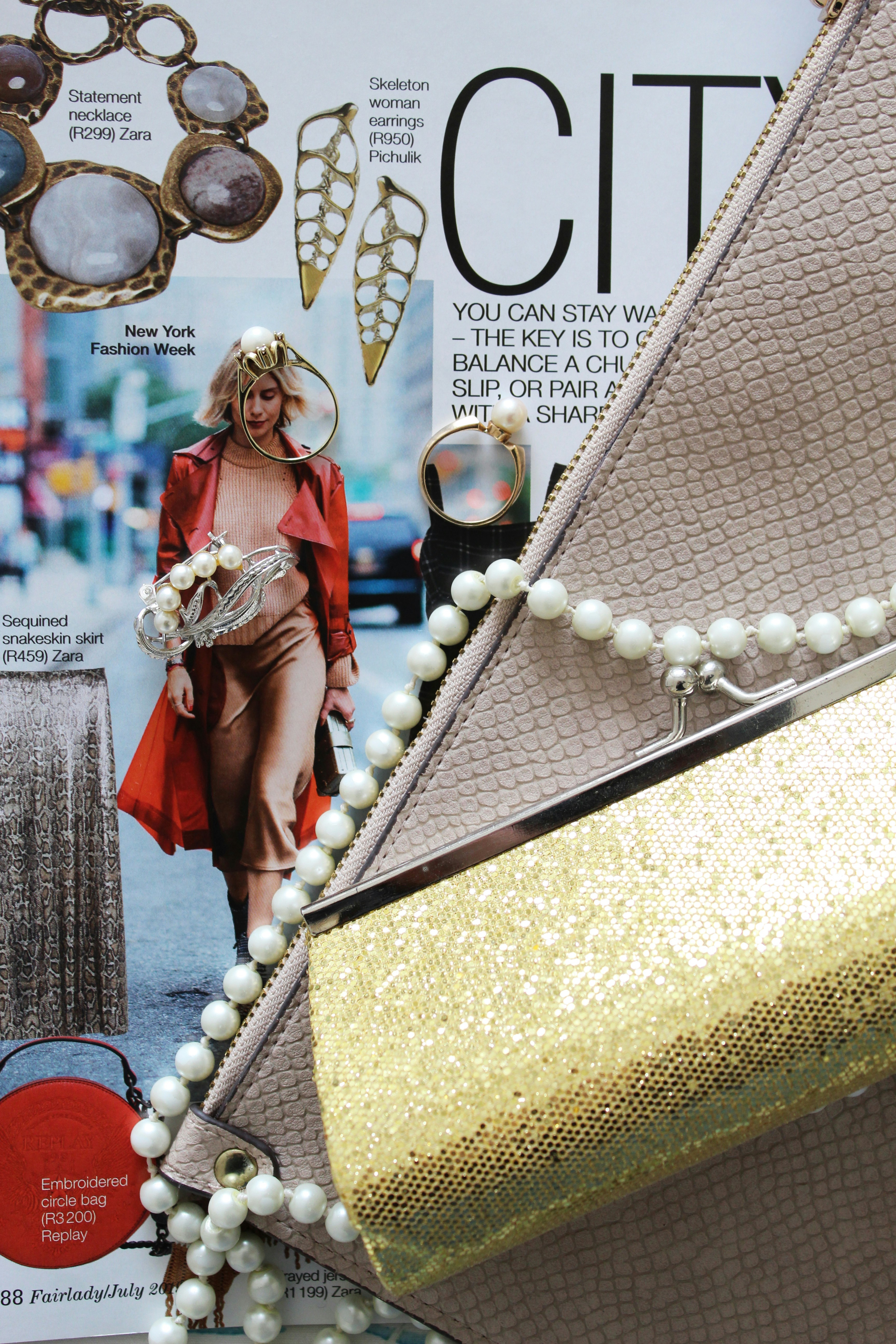
As you curate your wardrobe, focus on selecting versatile pieces that can be styled in multiple ways. Invest in staple items like a classic white shirt, a tailored blazer, or a well-fitting pair of jeans, which can each adapt to various contexts. Accessories also play a pivotal role; they can elevate an outfit, adding a unique touch that speaks to your stylistic preferences. A statement necklace or an intricately designed bag can transform a basic outfit into something uniquely yours.
Additionally, consider the influence of colors and silhouettes on your fashion choices. Certain colors might complement your skin tone, while particular silhouettes may enhance your physique. Understanding what works for you will streamline your shopping decisions and make it easier to build a cohesive wardrobe. By integrating these elements into your personal style, you will cultivate a fashion identity that feels authentically yours, allowing your attire to resonate as a truthful reflection of self.